Coordinator: Sonia Trepode, Universidad Nacional de Mar del Plata, Argentina (strepode@gmail.com)



Coordinator: Sonia Trepode, Universidad Nacional de Mar del Plata, Argentina (strepode@gmail.com)
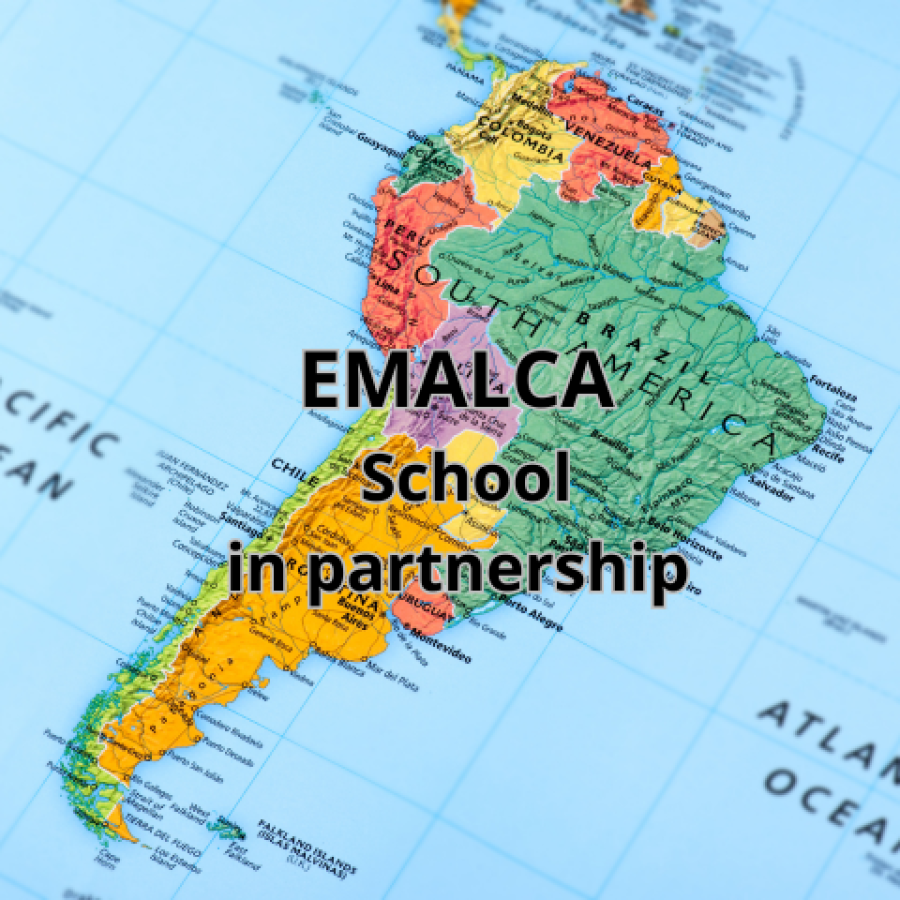
Coordinator: Ivan Henriquez, Universidad Nacional Autónoma de Honduras (ivan.henriquez@unah.edu.hn)
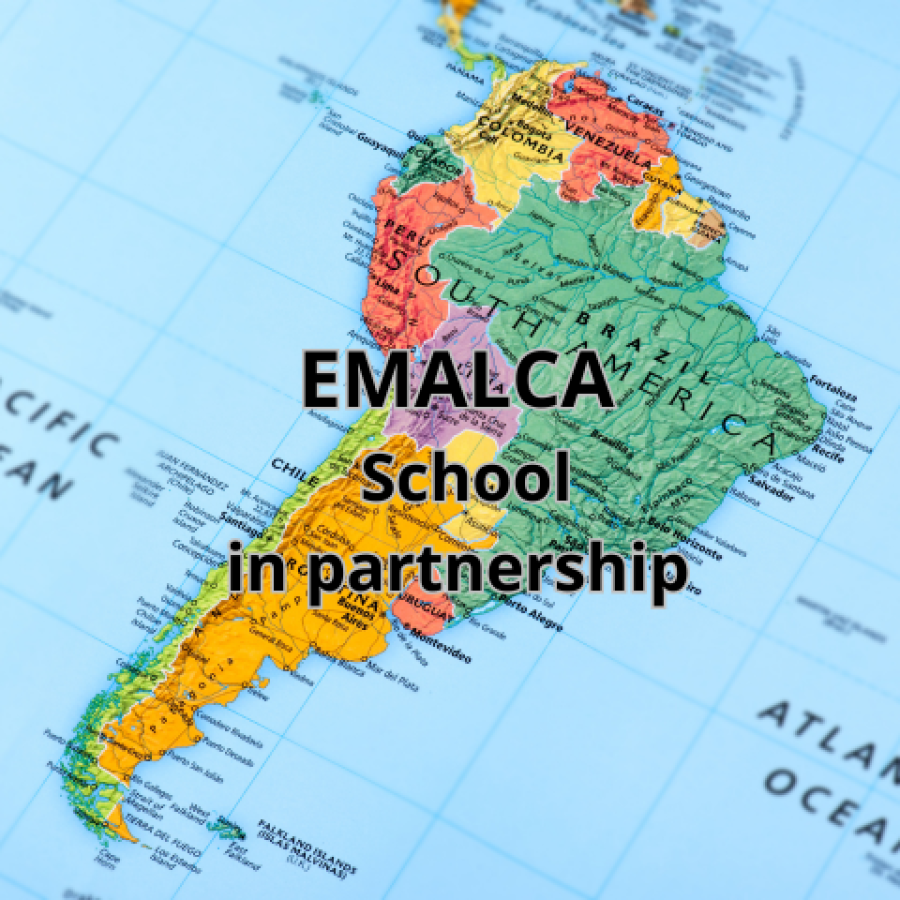
Coordinator: José Luis Ramírez Ramírez, Universidad Nacional de Colombia (jlramirezr@unal.edu.co)
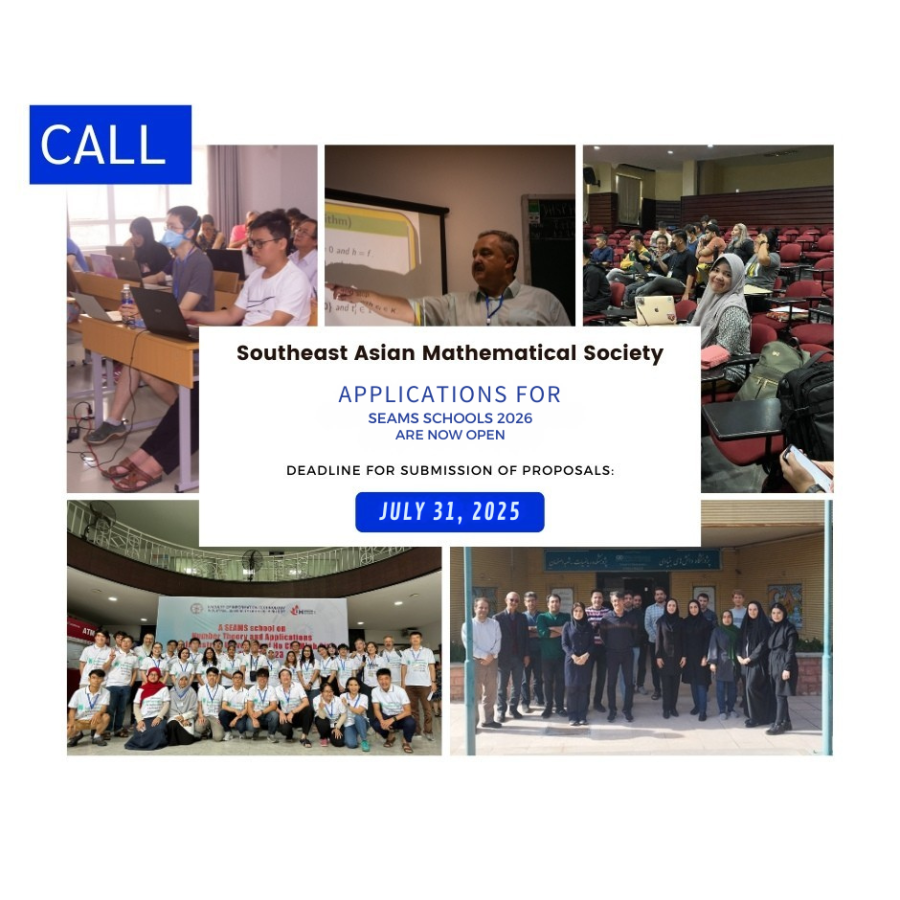
L'appel à l'organisation d'une école de la "South East Asia Mathematical Society" en 2026 est ouvert jusqu'au 31 juillet 2025. Toutes les informations pour organiser un tel évènement sont disponibles ici.
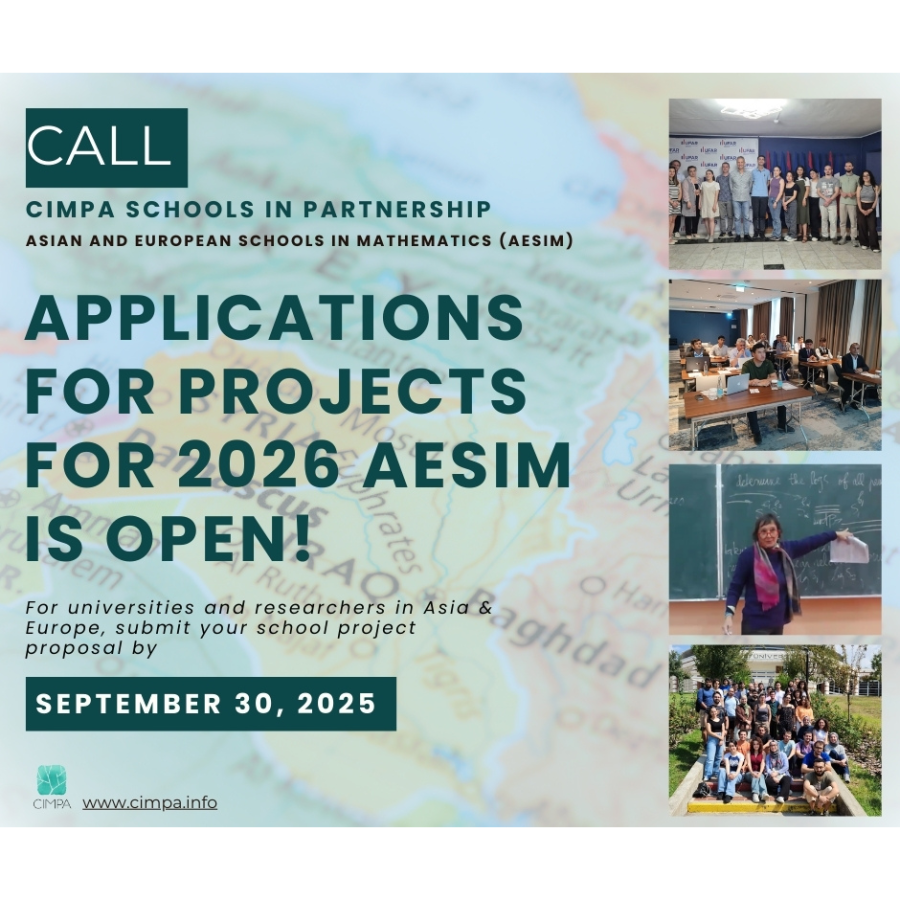
L'appel à l'organisation d'une école "Asian and European Schools in Mathematics" en 2026 est ouvert jusqu'au 30 septembre 2025. Toutes les informations pour organiser un tel évènement sont disponibles ici.
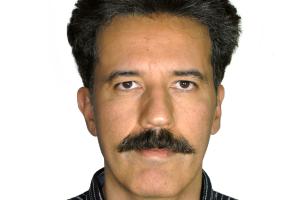
Lauréat avec Ulrich Kohlenbach TU Darmstadt (Allemagne) - Son mini-cours et son interview

Lauréate avec Kai Axel Diethelm de la Technische Hochschule Würzburg-Schweinfurt (Allemagne).
Son mini-cours.

L'appel pour l'organisation d'une école mathématique africaine (EMA) est ouvert jusqu'au 1er octobre. Toutes les informations pour postuler à l'organisation d'un tel évènement sont disponibles ici.

This course provides an introduction to the fundamental mathematical concepts underlying modern data processing, coding theory, and cryptography. Emphasizing both theoretical understanding and practical relevance, students will explore key ideas from number theory, algebra, and discrete mathematics as they apply to data representation, error-correcting codes, and secure communication. The course is designed to equip students with a solid mathematical foundation for further study or applications in data science, computer science, and information security.
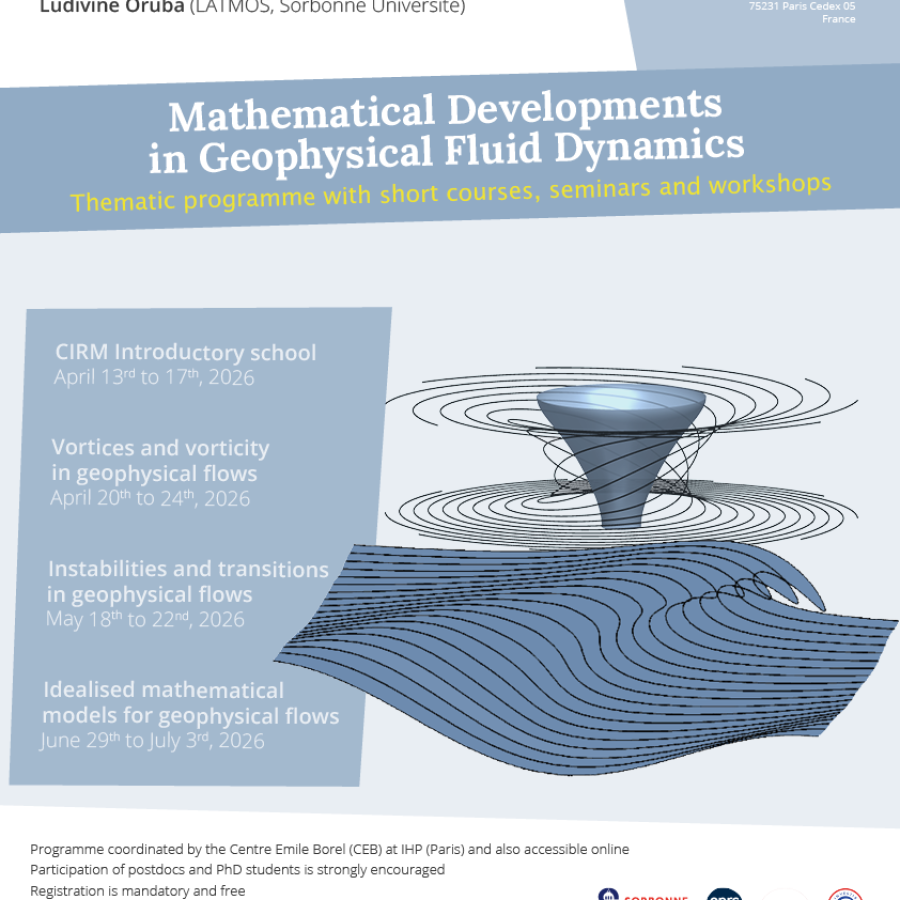
Geophysical Fluid Dynamics covers a wide range of applications in atmospheric and oceanic sciences with direct connections to the challenges of climate change. Historically studied by physicists and applied mathematicians, rotating fluids have been the subject of many recent results involving the analysis of PDEs. However, exchanges between these communities remain relatively rare and isolated.